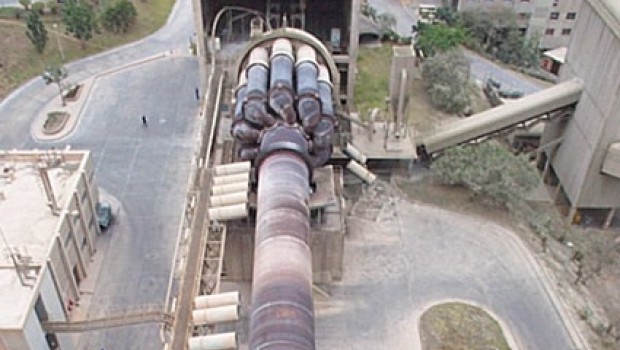
The cements kilns are situated in KwaZulu-Natal, a coastal South African province.
PUBLICITÉ
It consists, at the same time, of energy and minerals’ recovery from the waste and reduction of greenhouse gas emissions, fossil fuel, raw material consumption and diverting waste from landfill.
Oricol Environmental Services CEO, Richard Sanders explained: “Oricol Environmental Services sees this as an important step in diverting high calorific and liquid sludge wastes from landfill or incineration which can be used as an alternative energy source while protecting the environment. The net result will be a reduction in carbon emissions as waste previously destined for landfill will now be used as a cleaner burning coal replacement.”
The liquid wastes to be selected include hydrocarbons, oils, solvents and other materials that meet strict acceptance criteria and authorized air emission limits of the cement kilns.
InterCement would be responsible for managing waste in an environmentally manner and following the Waste Management Licence which has been granted by the Department of Environmental Affairs.