Certaines fonctionnalités de ce site reposent sur l’usage de cookies.
Les services de mesure d'audience sont nécessaires au fonctionnement du site en permettant sa bonne administration.
ACCEPTER TOUS LES COOKIES
LES COOKIES NÉCESSAIRES SEULEMENT
CONNEXION
Valider
Mot de passe oublié ?
ENVIRONNEMENT

Suez promotes its assessment of hazardous waste

GRACE GALANTE, LE 15 NOVEMBRE 2016
Archiver cet article
Newsletters
Suez promotes its assessment of hazardous waste
Suez acquires hazardous waste treatment in Germany, an undertaking which contributes to the development of its network of waste valuation units in Europe.

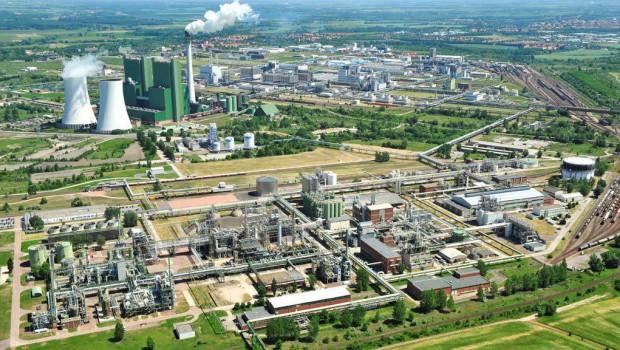
Located in the industrial park of Schkopau, near Leipzig in Germany, the unit is composed of a rotary furnace made for the treatment of hazardous waste and of a mud dryer. The unit treats solid as well as liquid waste produced by Dow Chemicals and others companies located in the surrounding area.

PUBLICITÉ
The acquisition of a unit dedicated to hazardous waste allows the group to reinforce its presence in the Lander de Saxe and the Saxe Anhalt where Suez already maintains its presence in five cities. Furthermore, the operation puts forward the group among the major industrialists of hazardous waste treatment in Germany with a network of reinforced treatment units.

The waste treatment will allow Suez to supply Dow Chemicals with steam recuperated from the high temperature waste incineration process (up to 120,000 tons per year) and of demands of chlorine in the form of hydrochloric acid for industrial purpuses.

The treatment capacity of the unit is of 35,000 tons per year et could be increased to satisfy the market needs and the diversification of waste to be treated.

PARTAGER :
À LIRE ÉGALEMENT
Eaux & Vilaine : une feuille de route au plus près des besoins d’un territoire
Intervention à forte technicité sous les rails
Accord de 5 ans entre Suez et le CNRS
« Un bon rendement n’est pas dû au hasard »
TOUS LES ARTICLES ENVIRONNEMENT
Les plus lus