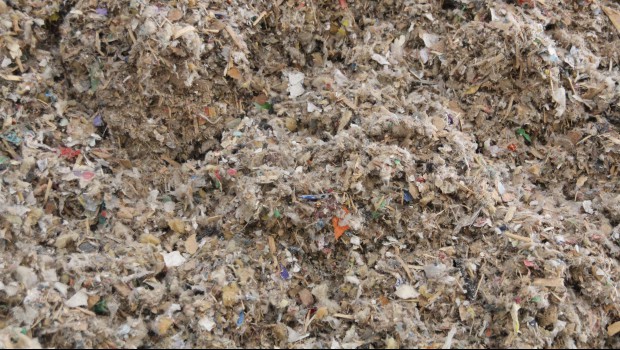
Prepared from the non-recyclable fraction of non-hazardous waste, this production is in addition to recycling and material recovery, seeking to recycle waste that can not be recycled. "The CSR is a new source of storable energy, renewable and partially indifferent to international turbulence in energy markets. From an industrial preparation process, they represent an alternative to fossil fuels such as coal, petroleum coke or natural gas, "says Praxy * in a statement. "2016 was a pivotal year in the development of CSR channel, driven notably in energy transition law for green growth and technological advances in the field. "
Currently, the companies of the Praxy network announce an annual production capacity of CSR of more than 175,000 t. According to Federec, the production capacity of all French recyclers is now 850,000 t. Finally, Ademe is considering production prospects of 2.5 Mt / year of CSR in 2025. Consequently, there are still important consumption prospects for new development chains.
In fact, the creation of a suitable regulatory framework under heading 2971 makes it possible to facilitate the consumption of CSR on other industrial sites (chemical industry, ceramic industry, plastics industry, paper industry, etc.) than cement factories which are the main outlet of the sector with 450,000 t in 2015 consumed an objective 1 Mt in 2025. "ADEME launched a call for proposals in April 2016, renewable annually, to support companies wishing to substitute traditional fossil energy supply by CSR to meet their needs competitive and partially renewable heat "adds Praxy which also explores the gas CSR valuation track via a process pyrogasification.
PUBLICITÉ